
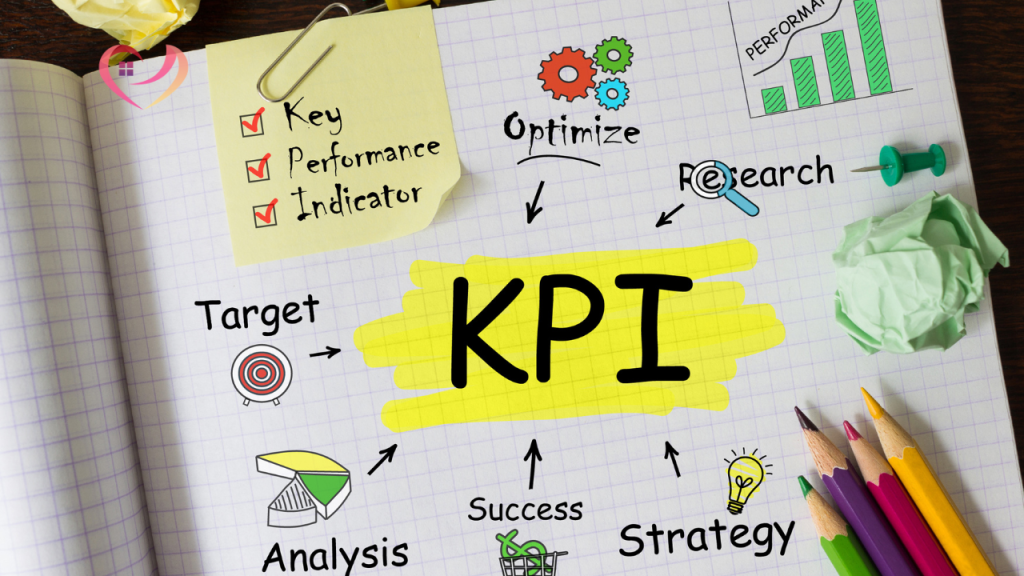
Success in new home builds relies on continuous evaluation and performance improvement. Key Performance Indicators (KPIs) help track business performance, identify effective strategies, and highlight areas for improvement. By monitoring these KPIs, property professionals in new builds gain valuable insights that drive better decision-making and help close more deals.
This blog outlines the most important KPIs for new build property professionals and explains how each can enhance your strategy and boost overall success.
1. Lead Conversion Rate
Lead conversion rate measures how effectively you’re turning prospective buyers into clients. This KPI offers insights into your lead generation efforts, follow-up procedures, and how well you’re communicating the value of your new properties.
How to Calculate:
Lead Conversion Rate = (Number of Leads Converted to Clients / Total Number of Leads) x 100
Why It Matters:
A lower conversion rate may suggest that your message about the benefits of new builds isn’t resonating with potential buyers, or that your follow-up is lacking. A higher rate indicates that you’re capturing interest and meeting buyers’ needs effectively.
Tip: Evaluate this metric on a monthly basis to track changes in marketing efforts and adjust your sales strategy as needed.
2. Time to Completion
Time to completion measures the duration from securing a contract to completing the project. This KPI is critical for understanding project management efficiency and meeting deadlines.
How to Calculate:
Time to Completion = (Project Completion Date – Contract Date)
Why It Matters:
Shorter completion times indicate efficient processes, from approvals to construction. Delays may highlight bottlenecks in communication, construction, or material sourcing that need attention.
Tip: Regularly review factors that impact completion times, such as contractor performance and supply chain efficiency, to improve project timelines.
3. Sales Velocity
Sales velocity measures how quickly new homes are sold. This KPI reflects the attractiveness of your property and the effectiveness of your marketing efforts.
How to Calculate:
Sales Velocity = (Total Units Sold / Total Time Listed)
Why It Matters:
Faster sales velocity indicates strong demand, correct pricing, and effective marketing. Slower sales may point to pricing issues or ineffective promotion.
Tip: Compare your sales velocity with the market average to stay competitive and adjust pricing or marketing strategies as needed.
4. Gross Commission Income (GCI)
Gross Commission Income (GCI) tracks the total commission earned from new transactions. This KPI helps assess the overall profitability of your business.
How to Calculate:
Gross Commission Income = Total Sale Price x Commission Rate
Why It Matters:
Monitoring GCI allows you to set revenue targets and evaluate which types of properties or locations are the most profitable.
Tip: Analyse GCI by location and property type to focus on the most lucrative opportunities.
5. Construction Cost per Square Meter
Cost per square meter measures how efficiently resources are used to complete a build. This KPI helps monitor cost overruns and ensures projects stay within budget.
How to Calculate:
Cost per Square Meter = (Total Construction Cost / Total Square Meters Built)
Why It Matters:
Lower costs per square meter indicate efficient use of materials, labor, and processes. Higher costs may signal inefficiencies or rising material prices, which could impact profitability.
Tip: Compare this KPI with industry benchmarks to ensure your costs are competitive.
6. Client Satisfaction Score
Client satisfaction is crucial for generating referrals and repeat business. Tracking Client Satisfaction Scores through surveys, reviews, and testimonials offers valuable insights into how well you’re delivering on quality, timelines, and customer experience.
How to Measure:
- Post-handover surveys to gauge satisfaction with the build and aftercare services.
- Monitoring reviews and testimonials from clients.
- Collecting direct client feedback.
Why It Matters:
High client satisfaction leads to positive word-of-mouth and more referrals. Low scores point to areas needing improvement in communication, build quality, or project management.
Tip: Continuously seek client feedback after project completion to refine your processes.
7. Referral Rate
The referral rate tracks how often satisfied clients recommend your new builds to others. This KPI reflects the strength of your client relationships and overall trust in your service.
How to Calculate:
Referral Rate = (Number of Referrals Received / Number of Clients Served) x 100
Why It Matters:
A high referral rate signals strong client relationships and trust. Referrals often lead to quicker sales and pre-qualified buyers, reducing marketing costs.
Tip: Create a referral program to encourage past clients to recommend your services and monitor this KPI regularly.
8. Revenue per Unit Sold
Revenue per unit sold provides a clear picture of the financial return on each property. This KPI helps you evaluate the profitability of each unit and ensures that pricing aligns with your revenue goals.
How to Calculate:
Revenue per Unit Sold = Total Revenue / Number of Units Sold
Why It Matters:
Higher revenue per unit indicates effective pricing strategies, while lower revenue may suggest a need to adjust pricing or value propositions.
Tip: Track revenue per unit by different property types and locations to identify the most profitable areas for future projects.
9. Marketing Cost per Sale
Marketing cost per sale measures how much you spend to market and successfully sell a new build property. This KPI helps evaluate the efficiency of your marketing strategies.
How to Calculate:
Marketing Cost per Sale = Total Marketing Spend / Number of Units Sold
Why It Matters:
A high marketing cost per sale indicates that your campaigns may not be as effective or targeted as they should be. Lower costs suggest that your marketing is cost-efficient and yielding high returns.
Tip: Focus on the marketing channels that generate the best-qualified leads at the lowest cost by monitoring this KPI regularly.
Conclusion
For property professionals involved in new builds, KPIs offer valuable insights that drive better decision-making. From tracking lead conversion rates to assessing time to completion and monitoring client satisfaction, these metrics help identify areas for improvement and opportunities for growth.
By regularly analysing these KPIs, you can optimise your processes, refine your strategies, and ensure that your new builds are completed on time, within budget, and sold profitably. KPIs aren’t just a snapshot of where you are—they’re a roadmap to where you want to go.