
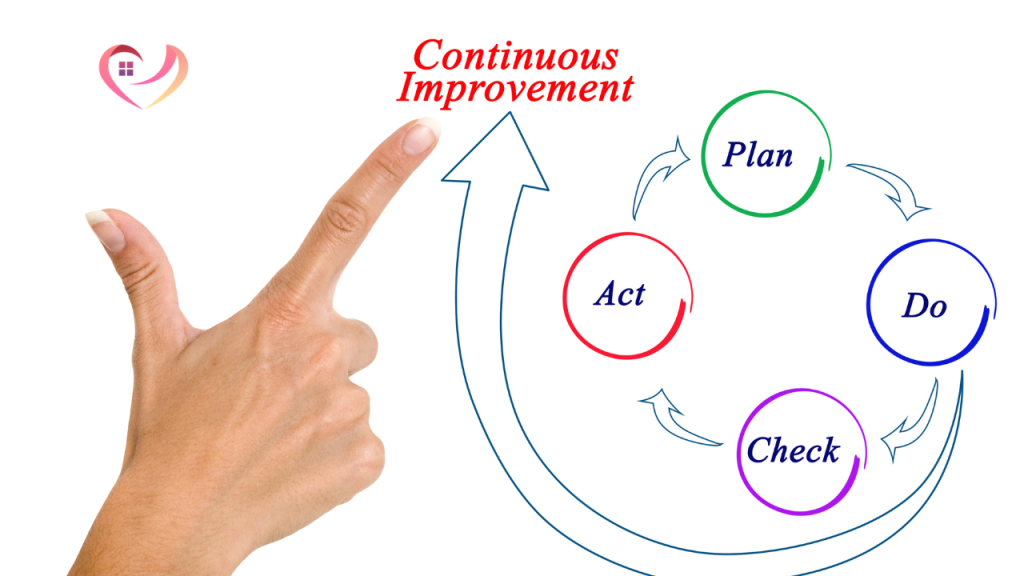
The most successful agents and firms are those that continually refine and improve their processes. While hitting sales targets and closing deals is essential, real estate professionals who embrace a mindset of continuous improvement stand out by streamlining operations, enhancing client experiences, and optimizing long-term success. In an industry where competition is fierce, the ability to adapt and improve is critical for sustainable growth.
In this blog, we’ll dive into the importance of continuous improvement and provide actionable steps to help you refine your real estate processes.
1. Analyze Current Processes for Efficiency
The first step in continuous improvement is analyzing your current processes. Whether it’s your marketing strategy, lead generation techniques, or transaction management systems, every part of your business can be improved. Start by identifying bottlenecks, redundant tasks, or areas where time and resources are wasted.
Key Areas to Evaluate:
- Lead Management: Are you nurturing leads effectively, or are you losing potential clients due to slow follow-ups?
- Transaction Processes: How smooth is your transaction process from contract to closing? Are there delays or complications that could be streamlined
- Marketing Efficiency: Are you getting a good return on investment (ROI) for your marketing efforts, or could automation or a more targeted approach yield better results?
Tip: Conduct regular audits of your workflows to identify inefficiencies and gather feedback from team members or clients to gain insight into areas that need improvement.
2. Implement Technology for Automation and Productivity
One of the fastest ways to refine your processes is by leveraging technology. Automation tools can save time, eliminate manual errors, and enhance communication with clients. Whether it’s using a CRM to manage leads or automating marketing efforts, technology can help you work smarter, not harder.
Technology Solutions to Consider:
- Automated Follow-Up Systems: Use tools like Mailchimp or Monday.Com to automate email campaigns and stay in touch with potential leads.
- Digital Document Management: Implement tools like DocuSign to handle contracts and legal documents securely and quickly.
- Task Management Platforms: Use apps like Trello, Asana, or Monday.com to keep track of tasks and deadlines, ensuring nothing is missed.
Tip: Focus on tools that integrate well with your current systems to avoid added complexity.
3. Adopt a Client-Centric Approach
Your clients’ satisfaction is one of the most telling indicators of how well your processes are working. To refine your operations, adopt a client-centric approach, ensuring every aspect of your process—from initial contact to post-sale follow-up—offers value and enhances the client experience.
Client-Focused Strategies:
- Personalized Communication: Tailor your messaging to the specific needs and preferences of each client. Use CRM data to create personalized experiences based on their buying history or preferences.
- Clear Expectations: Set clear expectations with your clients about the buying or selling process, timelines, and potential challenges. This transparency builds trust and reduces frustration.
- Post-Sale Follow-Up: Don’t lose touch after the sale is complete. Following up ensures clients feel valued and increases the chances of referrals.
Tip: Use client surveys or feedback forms to assess their experience and identify areas where your services can improve.
4. Track and Analyze Performance Metrics
Data is a powerful tool in the journey of continuous improvement. Regularly tracking key performance indicators (KPIs) allows you to identify areas that are excelling and those that need refinement. From lead conversion rates to marketing ROI, the insights provided by data can guide your decision-making.
Important KPIs to Monitor:
- Lead Conversion Rates: Track how many leads are converting into clients, and how long it takes to close deals from the initial inquiry.
- Time-on-Market: Analyze the average time it takes to sell properties, and compare it against market averages.
- Marketing ROI: Measure the effectiveness of your marketing campaigns—both digital and offline—by tracking cost-per-lead, cost-per-click (CPC), or conversion rates.
Tip: Use data analytics tools such as Google Analytics or Zoho Analytics to track KPIs and gain real-time insights into your business performance.
5. Streamline Communication Channels
In real estate, effective communication is critical—not just with clients, but with your team, partners, and vendors. Review how well your communication channels are functioning and streamline them where necessary. Eliminating miscommunication can significantly improve productivity, reduce errors, and create smoother workflows.
Communication Strategies:
- Internal Communication Tools: Use apps like Slack or Microsoft Teams to keep your team in sync and ensure quick decision-making.
- Client Communication: Regularly update clients on important milestones, inquiries, or changes in the buying or selling process.
- Vendor Collaboration: Work closely with inspectors, appraisers, and legal professionals by maintaining clear and open communication channels.
Tip: Consolidate communication channels into one or two main platforms to avoid information overload and lost messages.
6. Set SMART Goals for Continuous Growth
Establishing clear, measurable goals is essential for continuous improvement. SMART goals—Specific, Measurable, Achievable, Relevant, and Time-bound—provide a structured framework for tracking progress and making adjustments where necessary.
Examples of SMART Goals:
- Increase Lead Conversion by 10%: By improving lead nurturing processes and follow-ups within the next six months.
- Reduce Time-on-Market by 15 Days: Through enhanced marketing techniques and quicker communication with potential buyers.
- Increase Repeat Clients by 20%: By developing a more robust client retention strategy and offering incentives for referrals.
Tip: Review your goals quarterly to ensure you’re on track and adjust as needed to reflect market changes or new business objectives.
7. Create a Culture of Feedback and Innovation
Continuous improvement thrives in a culture of open feedback and innovation. Encourage your team to share their ideas and provide feedback on processes that could be streamlined. By fostering a collaborative environment, you create opportunities to experiment with new strategies that could improve efficiency and client satisfaction.
Encouraging Feedback:
- Internal Feedback Loops: Hold regular team meetings to discuss challenges, successes, and potential improvements. Encourage honest feedback without fear of judgment.
- Experimentation: Pilot new strategies or technologies on a small scale before full implementation to see what works best for your business.
- Client Feedback: Actively seek client feedback through surveys, reviews, or direct communication to understand where you can enhance their experience.
Tip: Reward team members who come up with innovative ideas that improve processes or client outcomes, fostering a proactive mindset.
8. Invest in Continuous Training and Development
The real estate industry is constantly evolving, with new technologies, market trends, and regulations emerging all the time. Regularly investing in training and development for yourself and your team is crucial for staying ahead. Whether it’s mastering new tech tools or refining negotiation skills, continuous learning drives both personal and professional growth.
Training Opportunities:
- Technology Mastery: Stay up to date with the latest CRM platforms, marketing tools, and property management systems to enhance your operations.
- Sales and Negotiation Skills: Enroll in sales workshops or real estate-specific negotiation training to sharpen your ability to close deals effectively.
- Market Knowledge: Attend webinars, conferences, and seminars to stay informed about the latest trends in the property industry.
Tip: Set aside a monthly or quarterly budget specifically for training, ensuring continuous learning is prioritized within your business.
Conclusion
Continuous improvement is the foundation of long-term success in the real estate industry. By regularly evaluating your processes, leveraging technology, setting measurable goals, and fostering a culture of innovation and feedback, you can ensure that your business not only adapts to change but thrives in it.
Whether you’re focused on improving lead generation, client satisfaction, or operational efficiency, taking small, consistent steps toward improvement will position you as a leader in the real estate market—ensuring both personal growth and increased business performance.